How to Choose the Right Phone Case for Your Lifestyle
Most phone cases get bought in a hurry: grabbed at the till, ordered in the same minute as a screen protector, or inherited from whoever sold you the handset. Then two months later you're wrestling with a wallet flap every time you want to charge wirelessly, or watching a hairline crack spread across a corner the case was supposed to guard. Choosing well isn't complicated, but it does require one honest look at your actual week.
Before you compare a single product, answer three questions. Where does the phone live — hand, pocket, bag, or clipped to a belt? How often does it end up on the floor, on concrete, in sand, or in the rain? And what else do you need it to carry or do?
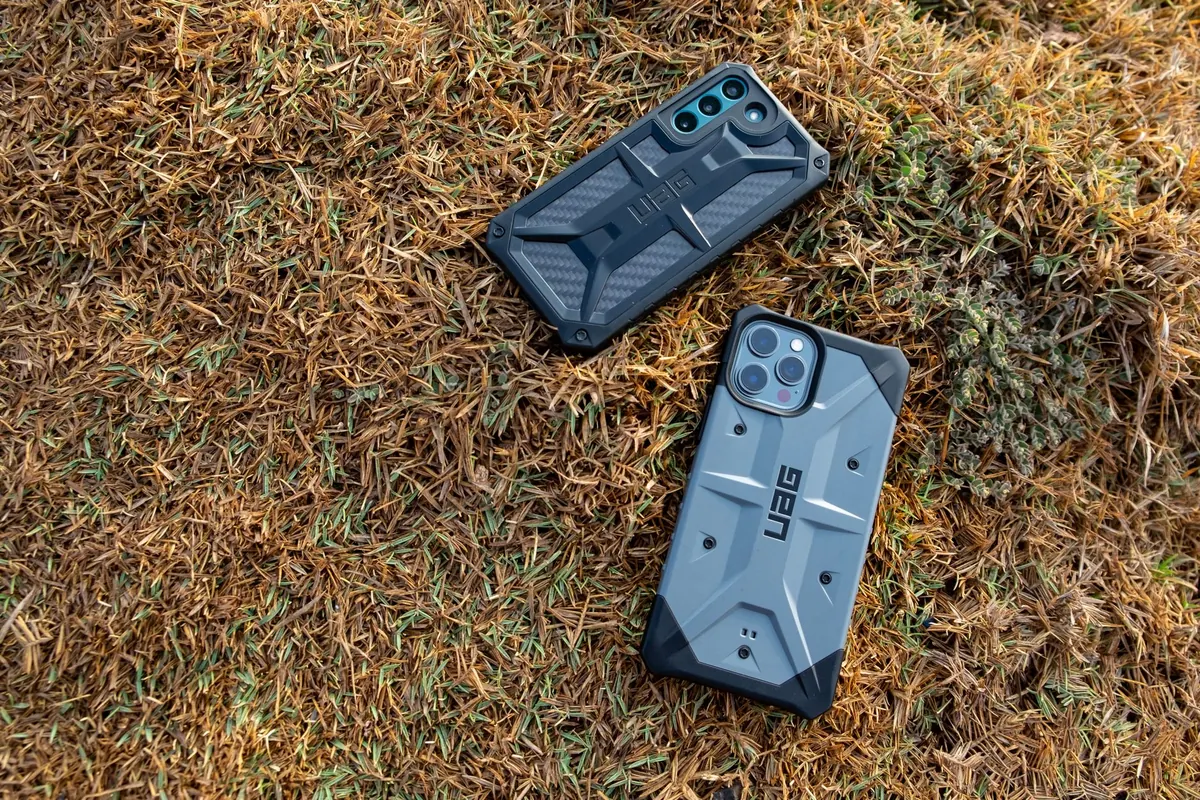
The answers sort you quickly. Someone who works at a desk, commutes by train, and spends evenings on the sofa needs a case that stays slim and disappears into a jacket pocket. Someone who climbs ladders, hikes on weekends, or has a two-year-old who treats the phone as a teething toy needs corners that can take a hit and a lip that keeps the screen off flat surfaces. Neither person is wrong. They just need different cases.
Almost every case on the market falls into one of a few families. Knowing which is which saves you from paying for protection you don't need — or skipping protection you do.
Priorities here are thinness, grip and clean lines. Look for a case with a textured back or soft-touch sides so it doesn't slide off a conference table, and check that it doesn't interfere with the wireless charging pad you keep on your desk. A folio makes sense if you carry a transit card or office key card.
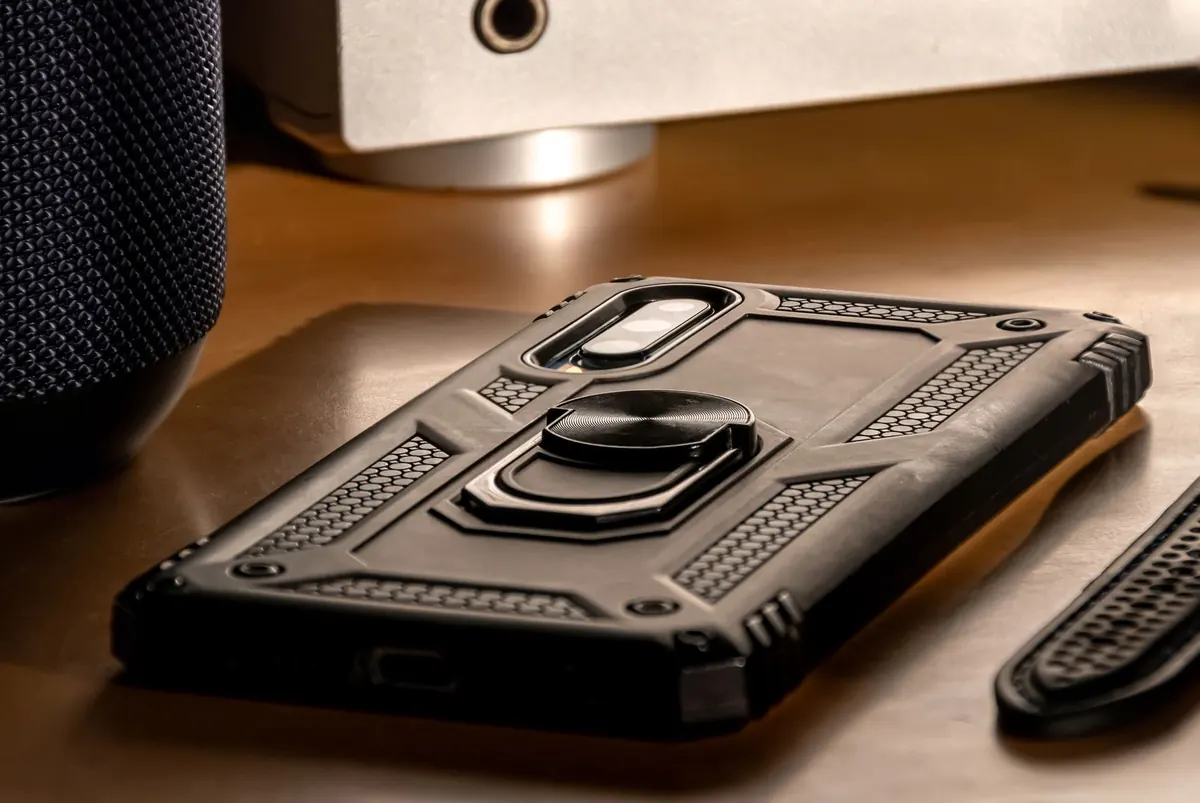
Dust and grit are the quiet killers. Port covers over the charging socket and a raised camera bezel matter more than pretty colourways. If you hike or ride, choose a case with a lanyard loop or a mounting system you'll actually use, and consider a screen protector with a matte finish — glare on a sunny ridge is genuinely annoying.
Sweat, chalk and dropped dumbbells are the risks. A grippy TPU case with pronounced corners handles all three. Skip anything with open card slots; a card that slides out onto a gym floor at 6am is a bad start to the day.
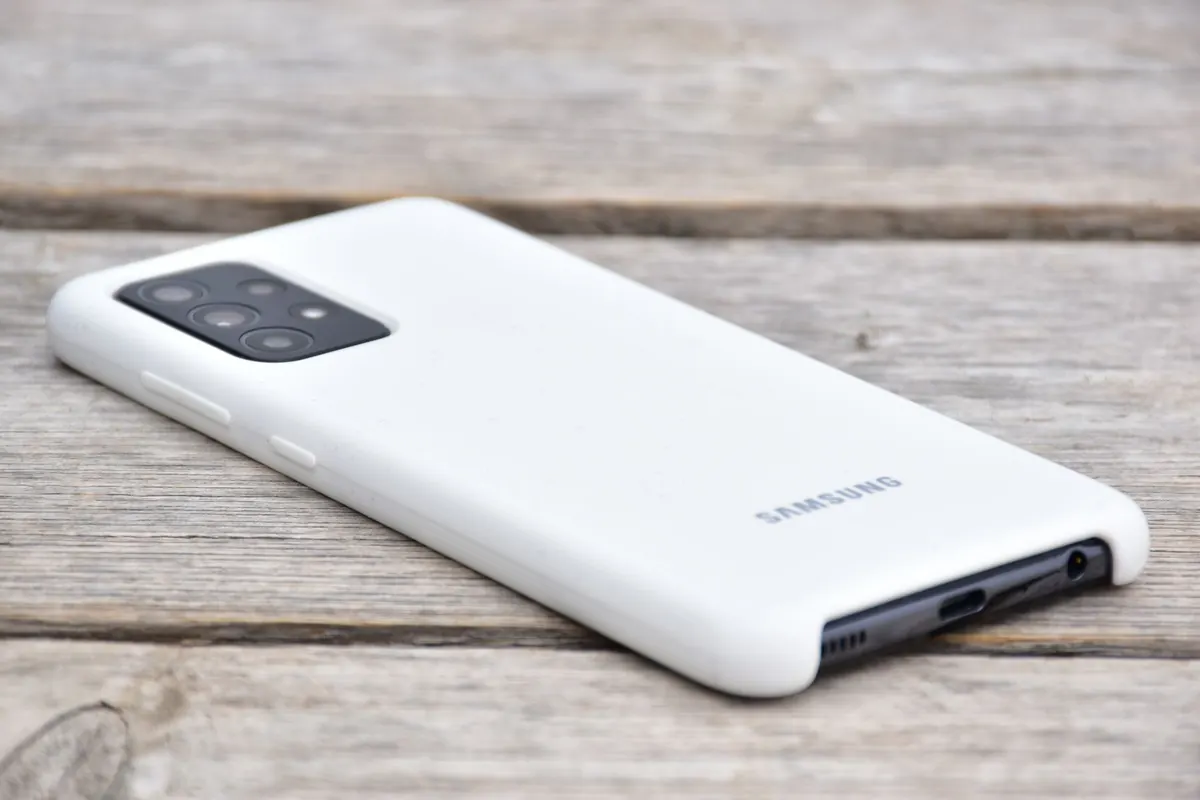
If children or pets are in the picture, prioritise a high front lip and a case that survives being thrown from a sofa. Avoid white and pale silicone — it collects marker and kitchen grease, and it will show every fingerprint.
The spec sheet rarely mentions the small things, but they're what make a case a pleasure or a nuisance.
Buttons. Press them in the shop if you can. Mushy, hard-to-find volume buttons turn into a daily irritation. Grip. Run a thumb across the back; glossy hard plastic in a dry hand is a drop waiting to happen. Charging. Cases over roughly a few millimetres thick can weaken magnetic or wireless charging — if you rely on a car mount or charging puck, test it before committing. Weight. A heavy case makes a large phone feel enormous after an hour of one-handed use.
Drop-test claims are worth reading with a level head. A rating such as MIL-STD-810 refers to a standardised test procedure, not a promise about your specific fall onto tile. Treat it as a rough tier, not a guarantee.
Soft TPU absorbs shocks and grips well but can stretch and yellow. Hard polycarbonate holds its shape and resists scratches but transfers impact rather than cushioning it — which is why the good cases combine both, with a stiff back and flexible bumper. Silicone feels wonderful and grips like nothing else, yet it attracts lint and tears at thin edges. Leather ages attractively but dislikes water. Aramid fibre is remarkably thin and strong for people who want near-naked protection at a premium. Metal bumpers look smart but can interfere with signal and wireless charging, so approach with care.
The best case is the one still on your phone in six months. That usually means a modest amount of extra bulk, buttons you can find without looking, and a texture that keeps the phone in your hand rather than on the pavement. Buy for the life you have, not the life in the advert — and if your phone is already damaged or you're dealing with an insurance claim, talk to your provider or a qualified repair specialist before assuming a new case will solve it.
Photo: Ethan Tran / Pexels