Tempered Glass vs. Film vs. Ceramic: Which Screen Protector Is Best for You?
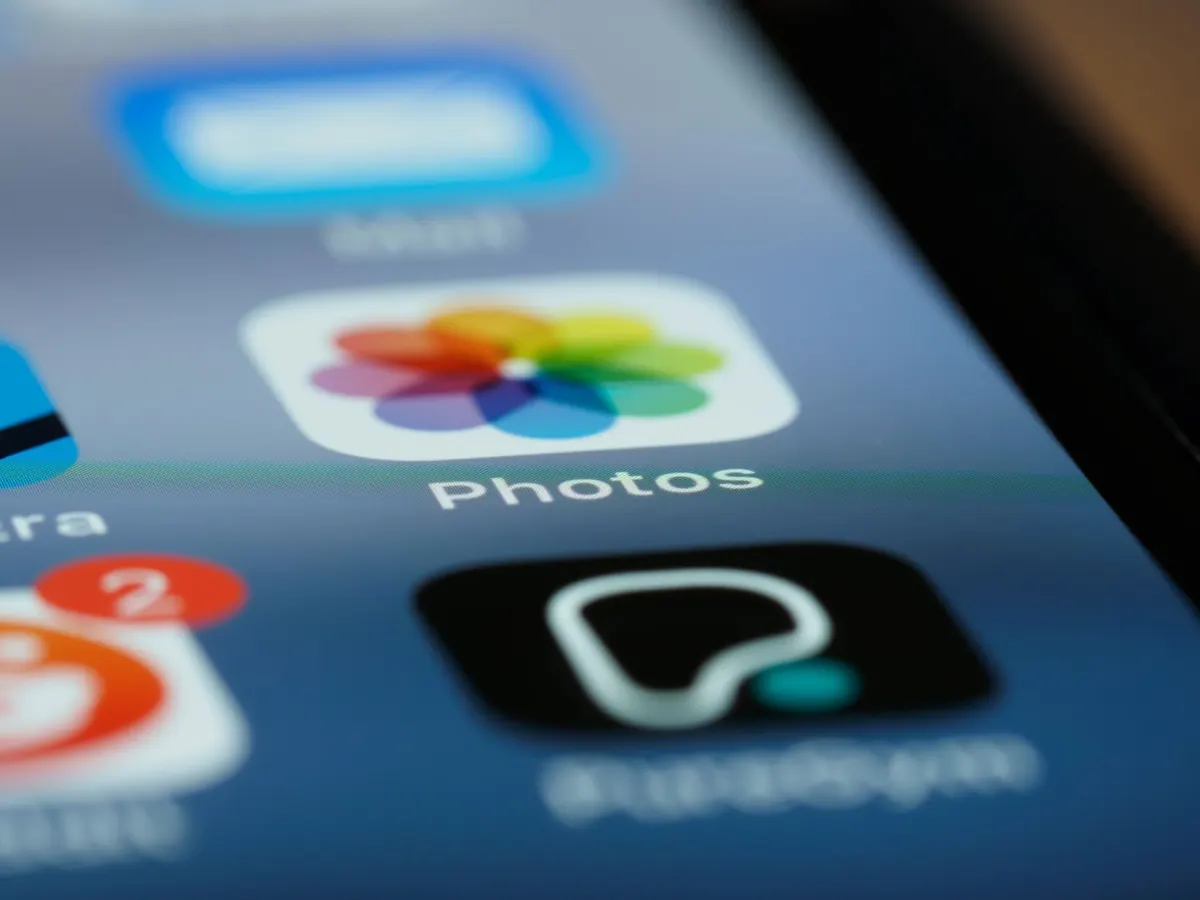
Your phone's screen is the most expensive part of it to repair, and it is the part your fingers touch hundreds of times a day. A screen protector is cheap insurance — but the shelf is crowded with three different promises: tempered glass, film, and ceramic. These are not the same product at different price points. They are different materials that fail in different ways, change how the phone feels, and suit very different people. Here is what actually separates them.
Tempered glass is a thin sheet of real glass, heat- or chemically treated so it holds internal tension. It usually runs somewhere between 0.2 mm and 0.5 mm thick, and it is rigid — bend it far enough and it snaps. Most versions use a silicone adhesive layer on the back, and on curved displays that adhesive is sometimes applied only around the edges.
Film is plastic. Usually PET or TPU, generally thinner than glass and flexible enough to wrap around curved edges. TPU film has a mild self-healing quality: light marks from a fingernail or a set of keys can fade over a few hours, though a deep gouge stays put.
Ceramic protectors are rarely ceramic in the way a dinner plate is. What you are usually buying is a film base with a ceramic-derived coating or nano-ceramic particles mixed into it. That is a legitimate upgrade over plain plastic — better scratch resistance, a smoother glide — but judge it as a premium film rather than as a glass replacement.
Glass works by sacrificing itself. Hit it hard enough and the glass cracks, which is energy that did not reach your display. That is genuinely useful for pocket grit, keys, coins, and moderate knocks against a table edge.
What no protector handles well is the drop you actually fear: a corner-first landing on tile, or a face-down fall onto concrete. A fraction of a millimetre of anything will not save a screen from that. Be sceptical of any product that implies otherwise.
Film absorbs almost no impact, and ceramic hybrids sit somewhere between the two — the flexible base can take a knock without shattering, but there is no rigid layer to spread the force.
Here film is decent and glass is very good, with one caveat that trips people up: sand. Fine quartz grit, the kind that ends up in a jacket pocket or on a beach towel, is hard enough to scratch glass protectors too. Ceramic coatings tend to hold up against scratches a little better than basic film, which is their main selling point.
On a curved display, cheap glass protectors often stick only along the edges, leaving a hairline air gap over the middle. That gap shows up as a faint halo in sunlight and as a mushy spot in touch response. A full-adhesive glass protector, or a film, handles curves far better. If your phone has curved glass, this single detail matters more than the material name on the box.
Bare glass has a particular slickness that film cannot quite match out of the box. Tempered glass comes closest, which is why people who type constantly tend to prefer it. The trade-off is thickness: a heavy protector over an in-display fingerprint sensor can slow or confuse the reader, and an air gap makes that worse.
Plastic film has more drag under the thumb. Matte finishes cut glare and fingerprint smudges nicely — good for reading outdoors, less good if you want punchy colour, because matte diffuses the image slightly. Ceramic hybrids usually land in the middle: smoother than standard film, thinner than glass, and often the most pleasant option if you use a stylus.
Glass cracks, chips, and then spreads from the chip. It rarely fails gradually; it fails all at once, usually at the worst moment. On the plus side, once it cracks you replace it and the phone screen underneath is normally untouched.
Film ages quietly. It lifts at the corners, collects a yellow tint, and picks up a fine web of superficial scratches. Replace a film protector when you notice any of these:
Ceramic hybrids generally outlast plain film but the smooth coating does wear down. Expect to replace any film-based protector more often than glass.
Dust is the real enemy, not bubbles. Glass is stiff, so it traps any speck permanently — a single grain of dust under a glass protector looks like a small crater. Film is more forgiving: you can lift it and re-lay it, and trapped air usually pushes out within a day.
A few practical habits make the job much easier:
Buy two protectors at once. The second one removes all the anxiety from the first installation, and it means a cracked protector does not leave your screen unprotected for a week while you order a replacement.
Check four things before you pay: that it fits your exact model, whether the adhesive is full-surface or edge-only, the stated thickness, and whether the description mentions case compatibility. A protector costing a fraction of a screen repair is doing its job even if it only lasts a year.
And keep expectations honest. A screen protector reduces the odds of scratches and light impact damage; it does not make your phone drop-proof. A decent case and a habit of not setting the phone face-down on rough surfaces will protect your screen better than any material choice on this list.
Photo: Brett Jordan / Pexels
Previous Post
How to Choose the Right Phone Case for Your Lifestyle
Next Post
The Ultimate Travel Checklist for Protecting Your Gadgets